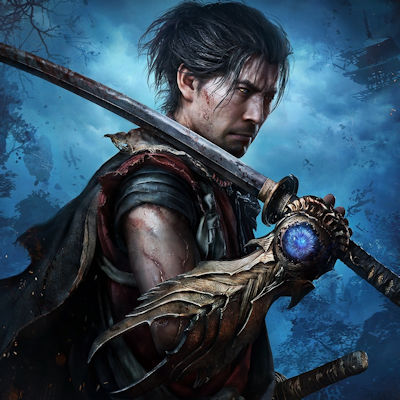
Med Onimusha: Way of the Sword gör serien comeback – men lyckas detta nya mörka samurajjäventyr hela vägen?
Capcom brings us a new story after four main installments, several spin-offs, and two remasters. Does Onimusha: Way of the Sword continue this storied legacy to new horizons? Or is this new story doomed to failure from the start? Read on below for the full breakdown and early review.
(En svensk, AI-genererad, sammanfattning finner du i slutet av recensionen)
A Brand new Story
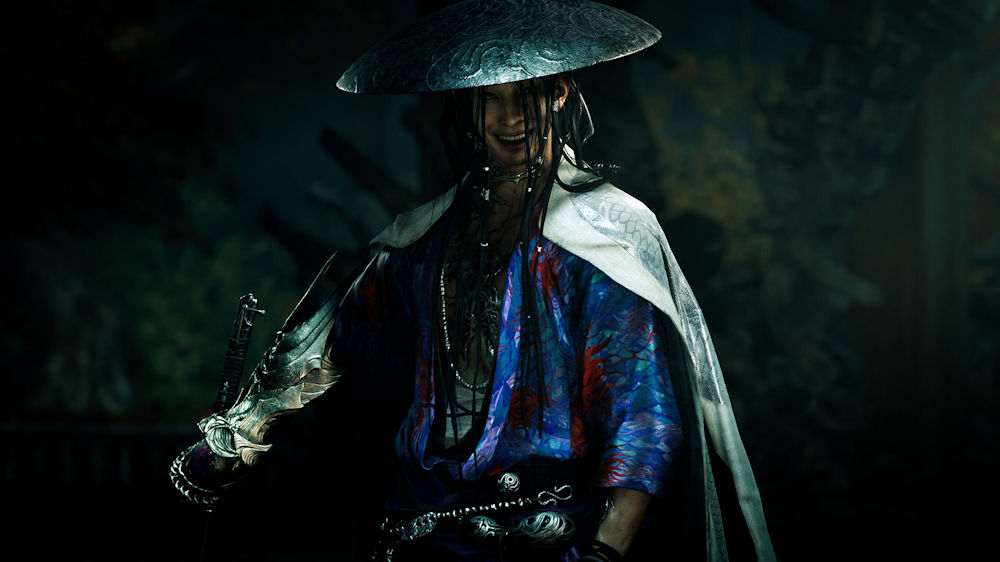
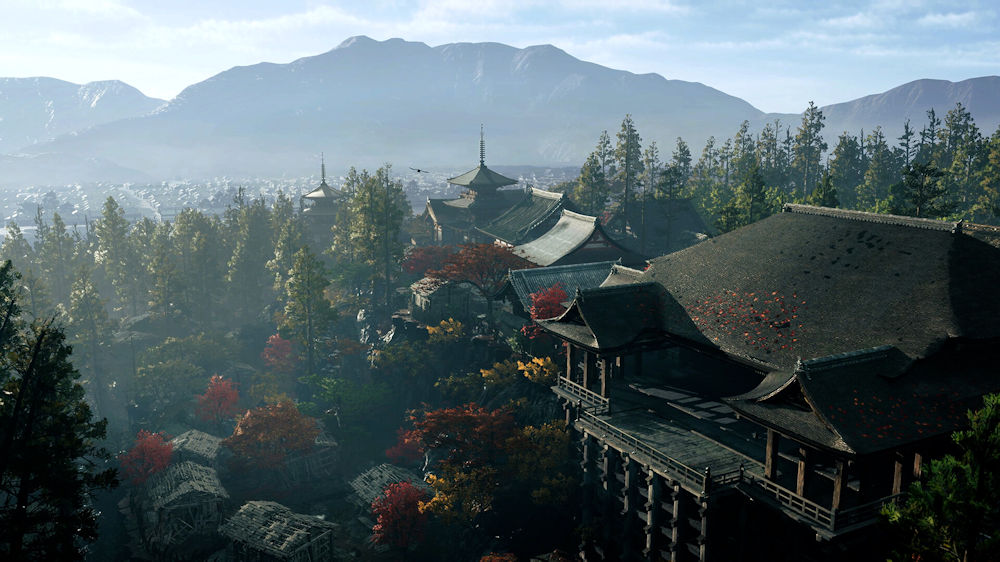
Onimusha: Way of the Sword changes things immediately continuity-wise. It serves as a prequel to the 2023 anime series of the same name. It completely changes the period and characters previously presented by the series. Gone is the Sengoku period featured heavily throughout the original series. We now land firmly in the Edo period. Our brand-new hero Musashi Miyamoto must take up the Oni Gauntlet against the ever-rising Genma army. He works with the help of new faces and enemies alike. Will Musashi succeed in saving his own existence and saving Kyoto itself?
This is a brand-new story in the series. Previous entries were established by legends like Samanosuke (Onimusha 1) and Jubei Yagyu (Onimusha 2). Onimusha: Way of the Sword is the first new mainline installment since Dawn of Dreams in 2006.
This is the first time in over 25 years that Capcom has moved away from established canon. They have created something completely new for a mainline story. This makes Way of the Sword a soft reboot of the series as a whole. This reboot is something that really needed to happen.
The game tells the story of Musashi Miyamoto’s arrival into an already Genma-infested East Kyoto. He falls and literally gets dragged down to hell after a chance encounter. A man in white (Minamoto no Yoshitsune) recovers him. Musashi receives the series mainstay Oni Gauntlet and returns to the living world. He is now accompanied by a being he affectionately calls ”Gauntlet Lady.” She tells him to head to Ono no Takamura temple in Eastern Kyoto, where our adventure begins.
The game features a small, centralized cast of well-crafted supporting characters. It also includes a robust series of enemies and bosses. Way of the Sword is a fresh take on the series featuring several well-known characters from the Heian and Edo periods of Japan. It blends a mix of Nioh, Sekiro, and Batman, alongside hints of Yakuza-esque comedy at times. Fans new and returning are sure to enjoy this new experience.
I’ll now cover the combat, which is the mainstay of this game. Does Onimusha: Way of the Sword bring a true authentic samurai experience to us once more? Or does it have several glaring issues that send it into a downward spiral? Read on to find out.
Combat: Flow and Armaments
Onimusha: Way of the Sword is built on intense and exhilarating swordplay. Much like previous entries, it builds on returning mechanics while adding new features.
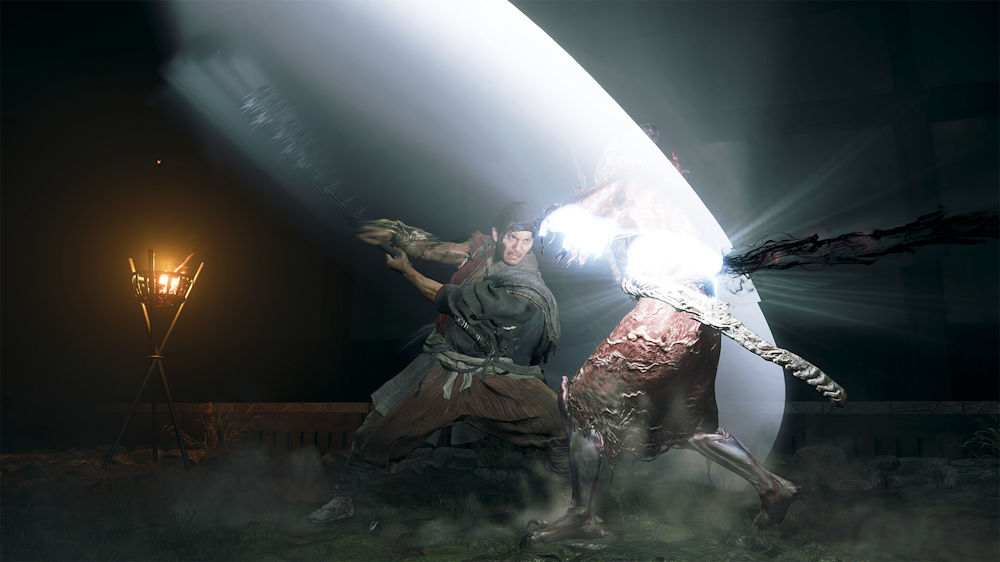
Way of the Sword rewards patience and precise timing. Spamming one attack chain does not ensure victory. There is a heavy emphasis on weight and movement. Overshooting targets due to repeated button presses leaves you vulnerable to strikes.
The game blends seamless parries and reactionary dodges, as seen in Sekiro. It combines these with the methodical approach of Batman: Arkham City. Most encounters feature multiple enemies that strike in turns rather than dogpiling Musashi. This creates a slow, methodical feel. You are rewarded for countering correctly with lightning-fast Issen attacks, stamina-breaking deflects, and devastating reflex counters. This results in a realistic swordplay experience.
Way of the Sword leans into the Ronin style with intense Blade Locks. These occur when attacks clash. They force rapid button mashing to push enemies back. In some cases, this leads to a Blade Barrage. This quick reaction counter prompts a one-handed or two-handed button press to eviscerate the foe.
The Oni Gauntlet
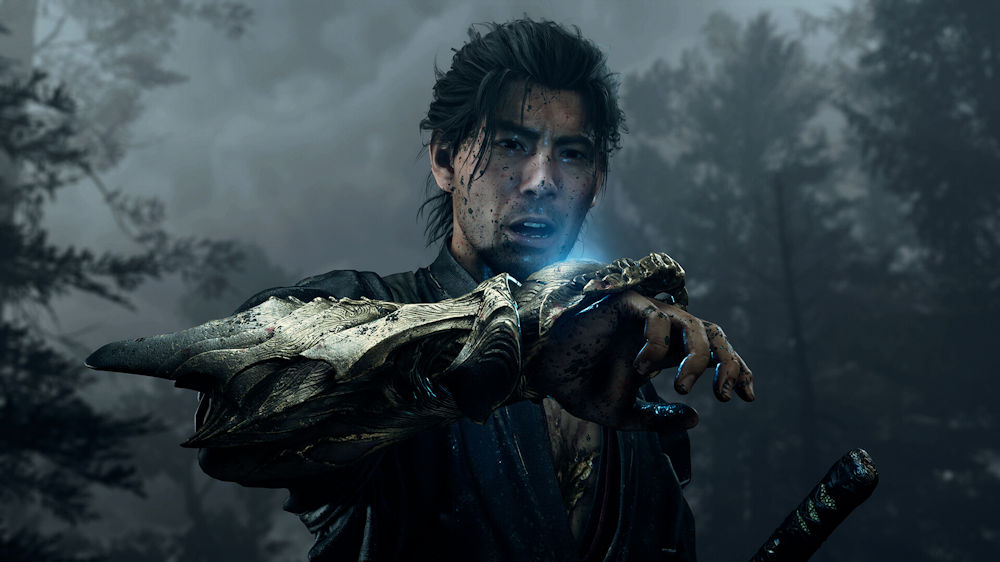
The Oni Gauntlet allows Musashi to combat the Genma plaguing Kyoto using power beyond human limits. Defeating enemies lets Musashi absorb their souls. Each soul type has a unique effect. Draining souls mid-combat leaves you defenseless. If you wait too long, enemies can consume them to gain a deadly powered-up state. Precise timing and strategic play are heavily rewarded.
Each soul type serves a different purpose:
- Yellow Souls: Restore HP in a pinch.
- Blue Souls: Refill the Oni Armaments Gauge.
- Red Souls: These are essential for upgrading charms, equipment, and skills.
Further in, you will discover Purple Souls, but I will leave their purpose for you to find.
Oni Armaments and Abilities
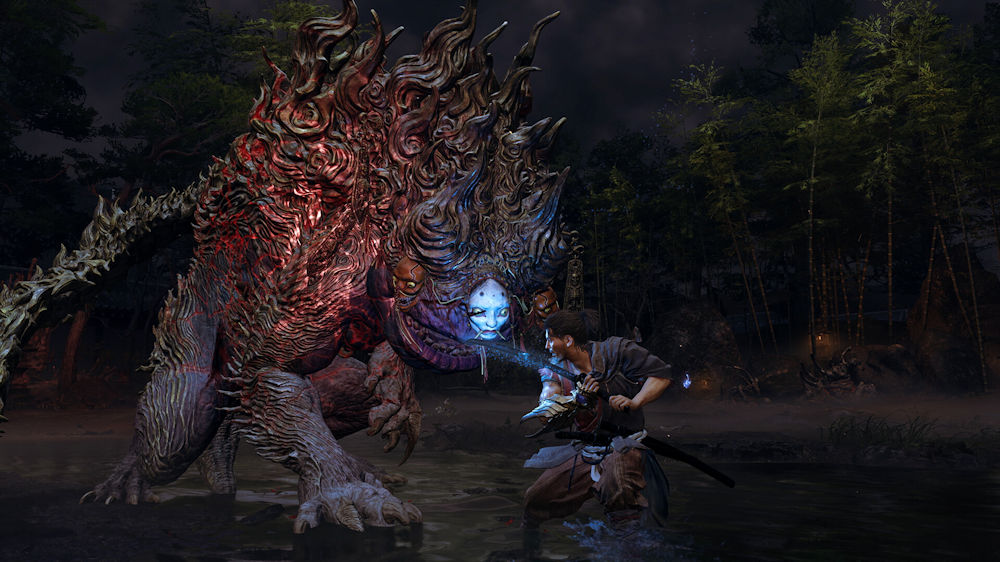
Musashi has access to several unique Armaments collected throughout the game. These can be used once the Oni power gauge is full. Three are granted early, while others are hidden collectibles. Each is designed for specific encounters. One is for recovery, one is to break shields, and one is for area-of-effect damage. Later unlocked weapons fuel one of these three base designs.
Musashi also possesses Oni Vision, which reveals items hidden from mortal eyes. If you are unsure how to progress, Oni Vision can show the way or act as a guide. Further abilities unlock as the game progresses. These blend into combat and allow access to previously blocked areas. This encourages backtracking to open doorways or obtain hidden upgrade materials. It provides a reason to clear previous maps while grinding red souls.
Enhancements
A Samurai lives and dies by the sword. Properly enhancing and managing your resources can mean life or death during later encounters. It is possible to progress the story without these enhancements. However, I suggest taking the time to do all side content to collect necessary pieces. This includes the repeated, frustrating mini-boss encounters. Doing so will somewhat alleviate the massive damage sponges that basic enemies become later in the game.
These enhancements are broken down into:
- Clothing: Denoting Stamina and HP gains.
- Katana: Overall damage output from basic attacks and Issen.
- Oni Gauntlet: Oni weapon damage output as well as maximum Oni gauge.
Overall, combining these features with a robust upgrade path creates enjoyable combat encounters with unique bosses. Onimusha: Way of the Sword stands as one of the better titles in this genre, both for gameplay and story.
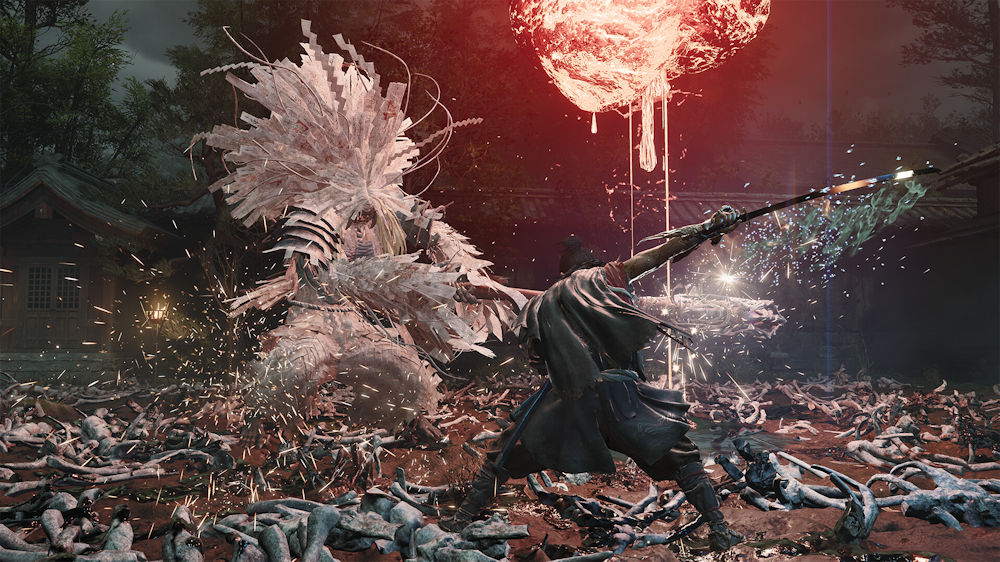
Onimusha: Way of the Sword hosts a robust roster of uniquely varied Genma and a staggering boss roster. Once cleared, bosses can be fought repeatedly on each difficulty mode in the practice grounds under harder settings. This leads to scenarios not previously seen during first clears and future attempts. Each boss and enemy can be dealt with in unique ways. They have their own telegraphed attacks and abilities that can all be countered. Some favor a slow and methodical approach. Others favor lightning quickness and precise timing of deflects and dodges to break stamina gauges. This leads to painful first encounters for some, but highly stylized works of art for players taking things slower overall.
Conclusion
Welcome, fellow Genma slayers, to the conclusion of Onimusha: Way of the Sword.
Way of the Sword is an excellent addition to the series and the first mainline release since 2006. Influenced by giants like Sekiro and Nioh, it offers fun, adaptable combat that makes you feel like a true Samurai. The enemy variety and wide assortment of Oni Armaments keep encounters fresh. Boss fights feature over-the-top action counters reminiscent of classic samurai anime.
However, the game is criminally short, taking only twenty-five hours to complete everything. Combat becomes tedious late-game as enemies turn into damage sponges. Frustrating camera angles in tight spaces further complicate encounters, especially with larger, aggressive mini-bosses.
The game also suffers from low difficulty. A real challenge is only really encountered in New Game+ content, which should have been available from the start. Despite varied abilities, the game falls into a repetitive trap. Spamming quick attacks and parrying outclasses the rest of your arsenal.
Regarding the price: I recommend the base edition. Premium content consists mainly of cosmetics that add little to the experience. The additional music is a nice touch but does not justify the cost.
Despite these issues, this is an excellent addition to a legendary series with a fair amount of replayability. The mix of comedic and dark themes gives it a Yakuza-like vibe. Being able to progress at your own pace is welcome, even if certain areas are visited only once. While short, repeated playthroughs are recommended for the additional challenge and cosmetics. Nothing beats perfecting a boss on higher difficulty levels after several encounters.
Onimusha: Way of the Sword releases September 4th, 2026, across PS5, XBOX, PC, and Nintendo Switch 2.
Onimusha: Way of the Sword – AI-genererad sammanfattning på svenska
Efter ett nästan två decennier långt uppehåll sedan 2006 års Dawn of Dreams återvänder Capcom till sin legendariska actionserie med Onimusha: Way of the Sword. Spelet fungerar som en mjuk omstart av serien och flyttar handlingen från den traditionella Sengoku-perioden till Edo-perioden. Spelaren tar kontroll över en helt ny protagonist, Musashi Miyamoto. Efter ett ödesdigert möte som bokstavligen drar ner honom till helvetet räddas Musashi av Minamoto no Yoshitsune och skänks seriens signaturvapen: Oni-handsken. Tillbaka i de levandes värld – tillsammans med en andlig följeslagare som han kärleksfullt döper till ”Gauntlet Lady” – ger sig Musashi av mot östra Kyoto för att bekämpa den framvällande Genma-armén. Berättelsen väver samman kända historiska figurer från Heian- och Edo-perioderna samtidigt som den balanserar mörk demonfantasi med Yakuza-liknande humor.
Spelupplevelsen kretsar kring ett exakt och metodiskt svärdsspel där oövertänkt knapphamrande snabbt straffar sig. Stridssystemet hämtar tydlig inspiration från titlar som Sekiro, Nioh och Batman: Arkham City och belönar positionering, tålamod och tajming. Framgångsrika drag utlöser blixtsnabba Issen-kontringar, pareringar som bryter fiendens uthållighet och intensiva ”Blade Locks” som övergår i cinematisk ”Blade Barrage”. Oni-handsken är en avgörande mekanik som låter spelaren absorbera besegrade fienders själar mitt i striden för att läka, ladda unika Oni-rustningar eller samla valuta för att uppgradera katanor, rustningar och färdighetsträd.
Trots belönande stridsmekanik och ett starkt galleri av bossar lider spelet av några tydliga nackdelar. Med en speltid på cirka 25 timmar för fullständigt genomspelande känns upplevelsen i kortaste laget. Mot slutet blir vanliga fiender dessutom frustrerande ”skadesvampar”, och trånga inomhusarenor drabbas ofta av besvärliga kameravinklar. Dessutom är svårighetsgraden i grundspelet i lägsta laget, vilket gör att den verkliga utmaningen sparas till New Game+.
Onimusha: Way of the Sword står som en triumferande återkomst för den länge vilande serien. Även om kameraproblem och en kort speltid håller det tillbaka något, gör det anpassningsbara stridssystemet och de stilsäkra bossstriderna grundversionen väl värd att köpa för både nya och gamla fans.
Vi har fått denna produkt från tillverkaren. Eftersom GameElite.se är helt oberoende har tillverkaren inte kunnat påverka recensionens innehåll (läs mer).
Hitta fler bra deals här »
Det Bra
- Underhållande karaktärer / rollbesättning
- Bra blandning av komedi och mörka teman
- Välutformat stridssystem
Det Dåliga
- Extremt kort
- Fiender med för mycket hälsa ("Damage sponges")
- Dåliga kameravinklar